
Your Doctor Explained the Diagnosis. Nobody Explained Why You're Cold.
If you have hypothyroidism, iron-deficiency anemia, or POTS, cold intolerance isn't in your head. It's a real, measurable result of your condition. This guide explains why - and what actually works.
Three conditions. One daily problem.
Cold intolerance isn't the same as feeling chilly on a cold day. It's a persistent, disproportionate sensitivity to temperatures that other people find comfortable. You reach for a sweater in a 72°F room. Your hands are cold in July. You can't get warm no matter how many layers you add.
It isn't an illness. It's a symptom.
For the conditions covered in this guide, cold intolerance has a specific physiological cause. Understanding that cause is the first step toward managing it. Each condition disrupts your body's ability to produce or retain heat through a different mechanism - but the daily experience is the same.
If you have more than one condition
Hypothyroidism commonly coexists with iron-deficiency anemia. POTS frequently overlaps with Raynaud's. If you have been told you have more than one of these conditions, the overlap compounds the cold. Start with the section that matches your primary diagnosis, then read the others - you will find the connections between them explained throughout.
Cold intolerance and warmth: what you need to know
Select your condition or topic below. Every section is written for people who want honest, practical answers - not a pamphlet.
Hypothyroidism & Hashimoto's
What your thyroid does for heat
Your thyroid is a small, butterfly-shaped gland at the base of your neck, and it has one job that matters here: it tells your cells how much energy to burn. The hormones it produces - primarily T4 (thyroxine) and T3 (triiodothyronine) - set your metabolic rate. Higher metabolic rate means more energy burned, which means more heat produced.
Think of your thyroid as the dial on a furnace. When it's working properly, your body adjusts the dial in response to cold: you burn more fuel, you generate more heat, your core temperature stays stable. Every cell in your body participates in this process.
When your thyroid is underactive - hypothyroidism - the dial is turned down. Your cells burn less fuel. Your metabolic rate drops. And the heat your body produces drops with it.
How much heat you actually lose. People with hypothyroidism burn measurably fewer calories at rest than people with normal thyroid function - enough to produce a measurable drop in core body temperature (American Thyroid Association). Peripheral temperatures drop further: blood flow to your hands and feet decreases as your body prioritizes keeping your core warm.
Hashimoto's: the most common cause
In the United States, the most common reason for hypothyroidism is Hashimoto's thyroiditis - an autoimmune condition where your immune system attacks your thyroid gland. It affects roughly 5 in 100 Americans and is 4 to 10 times more common in women than men, with diagnosis most often occurring between ages 30 and 50 (NIDDK).
If you have Hashimoto's, your cold intolerance isn't just about low hormone levels. The autoimmune inflammation itself can fluctuate, meaning your symptoms - including how cold you feel - can vary from week to week in ways that don't always track neatly with your lab results.
Why medication doesn't always fix the cold
This is one of the most frustrating parts of living with hypothyroidism. You're on levothyroxine. Your TSH is in range. Your doctor says your levels are fine. And you're still cold.
There are a few reasons this happens. The most important: levothyroxine is synthetic T4. Your body still has to convert that T4 into active T3 in your tissues. A 2024 study in the Journal of the Endocrine Society found that even when T4 and TSH levels look normal, the ratio of free T3 to free T4 can be lower in hypothyroid patients than in people with healthy thyroids - suggesting the conversion process isn't always efficient.
Your body also can't do what a healthy thyroid does automatically: ramp up hormone production when the temperature drops. A person with normal thyroid function produces more thyroid hormone in winter to generate more heat. If you rely on a fixed daily dose, your body doesn't have that flexibility.
Never adjust your thyroid medication on your own. Some people find they need a slight dose change in colder months. That's a conversation with your endocrinologist, based on blood work, not something to experiment with based on how you feel. Thyroid hormone levels that are too high carry their own serious risks, including heart rhythm problems and bone loss.
Day-to-day patterns
Morning, before medication
Levothyroxine takes time to reach effective levels. The first hour or two after waking is often the coldest part of the day.
Air-conditioned environments
Offices, stores, movie theaters. A healthy thyroid compensates for ambient temperature drops. Yours can't respond as quickly.
Seasonal transitions
The shift from fall to winter hits harder than steady winter cold, because your medication dose doesn't adjust the way a healthy thyroid would.
Stress and fatigue
Both suppress thyroid function further. A bad night's sleep can make the next day noticeably colder.
If you also have iron deficiency. Low iron is common in thyroid patients and compounds cold intolerance through a second mechanism. If you have hypothyroidism and persistent cold despite good thyroid levels, iron and vitamin D are worth checking. See the anemia tab for why.
Iron-deficiency anemia
How iron keeps you warm
Iron's role in body heat is more direct than most people realize. Your body generates heat by burning fuel in your cells. That process requires oxygen. And the protein that carries oxygen from your lungs to every cell in your body - hemoglobin - requires iron to function.
When your iron levels are low, you produce less hemoglobin. Less hemoglobin means less oxygen delivered to your tissues. Less oxygen means less fuel burned. Less fuel burned means less heat produced. It's a chain reaction, and it explains why cold hands and feet are one of the earliest and most reliable signs of iron-deficiency anemia.
The double mechanism most people don't know about
Iron deficiency doesn't just reduce oxygen delivery. It actively impairs thyroid function, even if the thyroid gland itself is healthy.
A landmark study (Beard et al., 1990, American Journal of Clinical Nutrition) exposed women with iron-deficiency anemia to controlled cold conditions. The iron-deficient women had lower core body temperatures and lower oxygen consumption than controls. But they also had significantly lower plasma T3 and T4 - their thyroid hormones - at baseline and during cold exposure.
Your body needs adequate iron to produce thyroid hormones properly. So iron-deficiency anemia hits your heat production through two pathways at once: less oxygen for cellular heat production, and impaired thyroid signaling on top.
Iron supplementation restored warmth. In the same research, correcting the anemia with iron supplementation significantly improved core temperature regulation and partially normalized thyroid hormone levels. The warmth came back - but it took weeks.
Your body triages heat
When oxygen is scarce, your body prioritizes your vital organs - heart, brain, lungs - at the expense of your fingers and toes (National Academies, Micronutrient Deficiency and Thermoregulation). This is why your hands and feet go cold first and worst. It isn't poor circulation in the vascular sense. It's your body redirecting limited resources to where they matter most for survival.
The colder they get, the colder they stay. Breaking that cycle by keeping your extremities warm externally - before they get cold - is one of the most practical things you can do while treatment restores your iron levels.
Who is most affected
Women of reproductive age
Menstruation is the primary driver - a typical cycle involves losing 30 to 40 mL of blood (WHO), which depletes iron stores over time. Iron-deficiency anemia is most common in women aged 18 to 49.
Pregnant women
Iron needs roughly double during pregnancy. The recommended daily intake rises from 18 mg to 27 mg (NIH Office of Dietary Supplements).
Plant-based diets
Your body absorbs heme iron (from animal sources) at roughly 15 to 35%, compared to 2 to 20% for non-heme iron from plant sources (Monsen, 1988, Annual Review of Nutrition; NIH Office of Dietary Supplements).
People with hypothyroidism
The overlap isn't coincidental. Iron deficiency is common in thyroid patients, and each condition makes the other worse.
B12 deficiency: a related mechanism
Vitamin B12 deficiency works through a similar pathway. Your body needs B12 to produce red blood cells. When B12 is low, you produce fewer red blood cells, and the ones you do produce are larger and less efficient at carrying oxygen. The downstream effect is the same: less oxygen reaching your tissues, less heat produced.
B12 deficiency is common alongside iron deficiency and is particularly worth checking if you have Hashimoto's or other autoimmune conditions, are over 60, or follow a plant-based diet.
Why warmth bridges the gap
The good news: iron-deficiency anemia responds to treatment. Iron supplementation restores hemoglobin, improves oxygen delivery, and measurably improves temperature regulation. But iron stores don't rebuild overnight - most people need weeks to months. During that window, warmth strategies aren't just comfort. They're a practical bridge between where your body is now and where treatment is taking it.
POTS & dysautonomia
What POTS is
Postural Orthostatic Tachycardia Syndrome is a form of dysautonomia - a malfunction of the autonomic nervous system. Your autonomic nervous system runs the processes you don't consciously control: heart rate, blood pressure, digestion, sweating, and body temperature.
In POTS, the autonomic system struggles to manage the normal shift from lying down to standing up. When you stand, gravity pulls blood toward your legs. A healthy autonomic system compensates instantly. In POTS, that compensation fails. Your heart rate spikes - 30 or more beats per minute above your resting rate, the diagnostic threshold defined by clinical consensus (Johns Hopkins, Dysautonomia International) - and you may feel lightheaded, dizzy, or faint.
POTS affects an estimated 1 to 3 million Americans (Dysautonomia International). It's far more common in women, with most diagnoses occurring between ages 15 and 50.
Why POTS makes you cold
The same autonomic system that fails to manage your heart rate is responsible for regulating your body temperature. When that system is dysfunctional, temperature regulation breaks down - and it breaks down in both directions. Many people with POTS experience both heat intolerance and cold intolerance, sometimes within the same day.
The cold intolerance in POTS is different from hypothyroidism or anemia. It isn't about low metabolic rate or low oxygen. It's about faulty wiring. Your autonomic nervous system controls blood flow to your skin and extremities (Dysautonomia International). When that system malfunctions, you may notice your hands and feet are cold even when the rest of you feels warm, or that your temperature shifts unpredictably through the day.
Blood pooling and cold extremities
One of the hallmark features of POTS is blood pooling - blood collecting in the lower body when you're upright. This contributes to cold extremities: when blood pools in your legs rather than circulating normally, less warm blood reaches your hands and feet.
Your lower legs may feel warm or appear mottled or purplish (acrocyanosis), while your hands and feet are cold. This pattern - warm legs, cold hands - is distinctive to POTS and different from the "cold everywhere" of hypothyroidism or the "cold hands and feet" of anemia.
The post-COVID context. POTS awareness has grown significantly since 2020. A 2025 study in Frontiers in Neurology (Gunning et al.) found incidence rates rose from approximately 1.4 to 22.7 cases per million following the pandemic. POTS received its own ICD-10 diagnostic code (G90.A) in October 2022. If you have been newly diagnosed - particularly following a viral illness - the condition is increasingly well understood, and research funding has improved substantially. Dysautonomia International maintains a directory of POTS-literate clinicians and current research.
Managing temperature alongside other POTS strategies
If you manage POTS, you likely already use a combination of increased fluid intake, salt loading, and careful pacing (energy management, not walking pace) to manage your symptoms. Temperature management fits into the same framework. Pre-warming - putting on thermal layers before you feel cold, not after - works alongside your other management strategies rather than competing with them. Reclined or tilted desk setups, which many POTS patients use to reduce time spent fully upright, also reduce blood pooling and can help with cold extremities.
POTS and Raynaud's: a common overlap
Cold fingers that turn white or blue. Numbness and tingling in your toes. If you have POTS and these symptoms sound familiar, you may also have Raynaud's - and the overlap is common. The autonomic dysfunction in POTS can trigger or worsen Raynaud's episodes, where small blood vessels in the extremities spasm and cut off blood flow.
If you experience color changes in your fingers or toes alongside your POTS symptoms, our Raynaud's guide covers the condition in depth.
The compression paradox
This is something the POTS community understands and most warmth advice ignores.
Compression garments - waist-high stockings, abdominal binders - are commonly recommended for POTS. They reduce blood pooling and help blood return to the heart. Many POTS patients wear compression daily.
But compression and cold intolerance create a tension. Many compression garments are thin and non-insulating, and many people with POTS find they leave their fingers and toes feeling even colder.
The practical answer: warmth and compression are separate layers with separate jobs. Thermal socks worn under compression stockings. A warm base layer under an abdominal binder. The key is that neither layer restricts the other - your thermal layer should be soft, non-binding, and not so thick that it makes the compression garment uncomfortable.
What makes POTS cold intolerance different
It goes both ways
You may be cold in the morning and overheated by afternoon. Temperature instability, not just cold, is the pattern.
Position matters
You may feel colder when upright and warmer when lying down.
It's unpredictable
Unlike thyroid cold (fairly constant) or anemia cold (correlates with iron levels), POTS cold can fluctuate hour to hour.
Exercise is complicated
"Exercise to warm up" is standard cold advice. For POTS, exercise intolerance is a core symptom. Warmth strategies that don't require physical exertion matter more. Passive warming - base layers, pre-warming, thermal socks - works within your energy budget rather than spending it.
Pacing applies to warmth too
If you manage your energy in activity blocks, manage your warmth the same way. Layer up before you go upright. Pre-warm before you leave the house. Don't wait until you're cold and symptomatic to start recovering warmth - that costs energy you may not have.
Whole-body warmth: the core principle
Why warming your hands and feet isn't enough
This is one of the most important ideas in this guide, and it applies to every condition.
When your core is cold, your hands and feet get colder no matter what you put on them. You can wear the warmest socks available and still have cold feet if your torso isn't insulated. Many people with cold intolerance find that adding a base layer makes more difference than upgrading their socks.
Keep your core warm first. When your core temperature is stable, your body relaxes the constriction response and allows warm blood to flow back to your hands and feet naturally. This is why base layers matter more than thick socks for whole-body cold intolerance.
Layering: how to think about it
Base layer (against your skin)
This is the foundation. A thermal base layer - top and bottoms - holds warmth close to your body without bulk. For cold intolerance, this is one of the most impactful changes you can make. You wear it under your normal clothes. Nobody sees it. It works all day.
Mid layer (insulation)
A fleece, hoodie, or thermal pullover. Traps the warmth your base layer holds. In mild environments, the base layer alone may be enough.
Outer layer (wind and wet protection)
When you go outside. Windproof matters more than thickness - wind strips heat from your body faster than still cold air.
Base layer warmth tiers
ULTRA LITE™ Base Layer
Lightweight thermal base layer ideal for everyday cold. Fits invisibly under office clothes or everyday outfits.
LITE™ Base Layer
Medium weight thermal base layer ideal for very cold days. The balance point between warmth and bulk for most people.
ORIGINAL™ Base Layer
Heavy weight thermal base layer ideal for extreme cold. For severe cold intolerance, cold houses, and cold days.
Why cotton fails you
Cotton absorbs moisture and holds it against your skin. When it gets damp - from sweat, from the moisture your skin naturally releases - it cools you down. This is why you can wear a thick cotton sweater and still feel cold. It's working against you.
Thermal yarns, acrylic blends, and synthetics either wick moisture away from your skin or retain insulating properties when damp. If you change one thing about how you dress for cold intolerance, make it this: stop relying on cotton as your warmth layer.
Pre-warming: stay ahead of the cold
One of the most effective warmth strategies for all three conditions is pre-emptive. Put on your thermal layers before you feel cold, not after. Once your body has cooled down and started constricting blood flow, warming back up takes significantly longer than maintaining warmth would have.
Morning routine: put on a base layer and thermal socks as part of getting dressed, before you feel cold. Leave the house with your layers already on. Keep a light thermal layer at your desk, in your car, in your bag - the one you reach for before you start shivering, not after.
Socks by situation
The right sock depends on where you're wearing it. The warmest sock we make is too thick for most shoes. A sock that fits in a sneaker won't be warm enough for a January morning at home. Here is how to match the sock to the situation.
What makes a sock right for cold intolerance
Warmth, measured in TOG. Thermal Overall Grade: a lab-tested measure of how well fabric retains heat. A standard cotton sock scores about 0.30 TOG. Our ORIGINAL™ socks are 2.30 TOG - roughly 7 times warmer. This is a laboratory measurement, not a marketing claim.
Fit that doesn't restrict. Many people with these conditions find a tight cuff uncomfortable, and more noticeable when they're already cold. For POTS, tight socks can interfere with compression garments. Look for socks with a non-binding cuff that holds the sock up without leaving indentation marks.
Not cotton. Same principle as base layers. Cotton absorbs moisture and cools your foot. Thermal yarns keep working even when your feet perspire.
At home: maximum warmth
ORIGINAL™ Thermal Socks
Advanced thermal yarn with long pile cushioning traps warm air close to your skin. The sock many people with cold intolerance start with. Men's, women's, and kids' sizes.
For hard floors - tile, hardwood, concrete - slipper socks with non-slip soles add a layer of insulation between your feet and the floor. Cold floors pull warmth from your feet quickly.
In shoes: the practical question
LITE™ Socks
5× warmer than cotton. Same thermal yarn, thinner profile. Fits comfortably in most casual shoes and boots. You trade some warmth for wearability.
ULTRA LITE™ Socks
3× warmer than cotton. Thinnest in the range. Designed for dress shoes and work footwear. Fits in shoes you actually wear.
If you're buying new shoes and know you will be wearing thermal socks, size up by half a size. The extra room prevents compression that would reduce both comfort and circulation.
For POTS patients wearing compression stockings: thermal socks worn under compression stockings work well. Choose a thinner thermal (LITE™ or ULTRA LITE™) so the compression garment fits properly over the top. The sock provides warmth; the compression does its separate job.
Outdoors
Layer socks the way you layer clothing. A thinner thermal sock as a base, an ORIGINAL™ over the top. The air gap between layers traps extra warmth. Pair with insulated, roomy boots - tight boots compress the sock and defeat the purpose. Disposable toe warmers between sock layers add targeted heat on the coldest days.
In bed
Nighttime cold intolerance is common across all three conditions. For hypothyroidism, metabolic rate drops further during sleep. For anemia, no activity means no activity-generated heat. For POTS, lying down improves blood flow, but temperature dysregulation can still wake you.
Warm, soft, non-restrictive socks. No grips needed. ORIGINAL™ socks or sleep socks work. Pair with thermal pajamas for core warmth through the night.
When warmth is not enough
Everything on this page is about the warmth part of managing cold intolerance. For every condition covered here, warmth strategies work alongside medical treatment - not instead of it.
For hypothyroidism
Unexplained, persistent cold intolerance
If you have not had your thyroid levels checked, a simple blood test (TSH, with free T4 and free T3 if warranted) can confirm or rule out hypothyroidism.
On medication but still cold
Your dose may need adjustment, or your doctor may want to check free T3 levels specifically. The conversion from T4 to T3 doesn't work efficiently in everyone.
Additional symptoms alongside cold
Unexplained weight gain, persistent fatigue, dry skin, hair thinning, constipation, brain fog. The combination matters more than any single symptom.
For iron-deficiency anemia
Cold hands and feet with fatigue
Alongside pallor, shortness of breath, or dizziness. A complete blood count (CBC) and iron studies can identify anemia.
Supplementing but not improving
Absorption can be affected by medications and timing. Iron absorbs best on an empty stomach with vitamin C, and poorly with calcium, tea, or coffee.
Heavy menstrual periods
The most common cause of iron-deficiency anemia in women of reproductive age, and it's treatable.
For POTS
Undiagnosed rapid heart rate on standing
If you experience lightheadedness, rapid heart rate, and temperature instability when upright, a tilt table test or active stand test can diagnose POTS.
Worsening symptoms or fainting
Your treatment plan may need reassessment. POTS management often requires ongoing adjustment.
Temperature instability affecting daily life
If you can't work, socialize, or sleep because of temperature dysregulation, that's worth medical attention - not just another layer of clothing.
More than one condition?
These conditions overlap frequently. If you read two or three of the sections above and thought "that sounds like me too," you're probably right.
Hypothyroidism + anemia
Iron deficiency impairs thyroid hormone production. Hypothyroidism contributes to absorption issues. Cold intolerance hits through two mechanisms at once. Getting both optimized matters.
POTS + Raynaud's
Autonomic dysfunction in POTS can trigger Raynaud's episodes. If your cold extremities involve color changes (white, blue, then red), mention it to your doctor.
POTS + hypothyroidism
Can coexist, particularly with autoimmune conditions. Fatigue from one compounds the fatigue from the other, and cold intolerance multiplies rather than simply adding up.
Products trusted by people with cold intolerance
Non-restrictive warmth across every situation. Matched to the sock, the shoe, and the moment.

ORIGINAL™ Socks
Maximum warmth. Advanced thermal yarn with long pile cushioning. Women's, men's, and kids' sizes.

LITE™ Socks
Same thermal yarn, thinner profile for casual shoes. Also available in men's sizes.

ULTRA LITE™ Socks
Thinnest thermal. Dress shoes and work footwear. Women's and men's sizes.
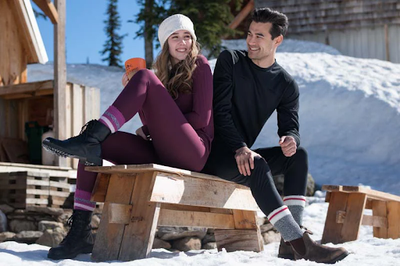
Base Layer Tops & Bottoms
Thermal base layers in three warmth tiers, worn under your regular clothes for all-day core warmth.
Trusted across 40,000+ reviews
Heat Holders® products carry 40,000+ customer reviews. Hundreds reference specific medical conditions - Raynaud's, neuropathy, diabetes, thyroid conditions, and others. Many describe the same experience: years of being cold, nothing working, and the relief of finding something that actually helps.
"i love these socks. i have hypothyroidism and my feet are always cold.. i don't wear shoes in the house and these socks are the first thing i put on when i get home."
Lynne T. - Women's Camellia ORIGINAL™ Crew Socks
"Great product! My boys have POTS and these are the only socks that keep their toes toasty."
Trish R. - Men's Mono Twist Stripe Socks
Cold intolerance and warmth FAQ
Yes. Hypothyroidism reduces your basal metabolic rate year-round, not just in winter. Your thyroid hormones (T3 and T4) tell your cells how much energy to burn, and that process generates heat. When those hormones are low, you produce less heat regardless of the season.
Many people with underactive thyroids report cold intolerance in air-conditioned offices, movie theaters, and stores during summer, or needing a sweater indoors when everyone else is comfortable. The seasonal pattern is that winter makes it worse, but summer doesn't make it go away. Air conditioning, in particular, can feel genuinely unbearable because a healthy thyroid would ramp up heat production in response to the cold air. A medicated thyroid on a fixed daily dose can't make that adjustment as quickly.
If you're on levothyroxine and still experience significant cold intolerance in summer, it may be worth discussing your free T3 levels with your endocrinologist. Some people find that their T4-to-T3 conversion is less efficient than expected, leaving them cold even when TSH looks normal on blood work.
Yes, and the mechanism is well-established. Your body generates heat by burning fuel in your cells. That process requires oxygen. Hemoglobin, the protein in red blood cells that carries oxygen, requires iron to function. When iron is low, you produce less hemoglobin, which means less oxygen reaches your tissues, which means less heat is produced.
Clinical research has directly measured this effect. In a controlled study, women with iron-deficiency anemia exposed to cold conditions had lower core body temperatures and lower oxygen consumption than women with normal iron levels. Their plasma thyroid hormone levels (both T3 and T4) were also significantly lower, even though their thyroid glands were healthy. This means iron deficiency hits heat production through two pathways at once: reduced oxygen delivery and impaired thyroid signaling.
The good news: iron supplementation, in the same research, corrected the anemia, improved core temperature regulation, and partially restored thyroid hormone levels. The recovery takes time, though. Most people need weeks to months of consistent supplementation before iron stores normalize and warmth improves.
POTS disrupts the autonomic nervous system that controls blood vessel dilation and constriction. Blood may pool in your lower body rather than circulating evenly, reducing warm blood flow to your fingers and toes. Additionally, the same autonomic dysfunction can cause the blood vessels in your fingers and toes to narrow inappropriately. Position matters - you may notice your fingers and toes are colder when upright and warmer when lying down.
Cold intolerance itself is a symptom, not a disease. But the conditions that cause it - hypothyroidism, anemia, dysautonomia, and others - do benefit from diagnosis and treatment. If your cold sensitivity is new, persistent, or worsening, it's worth discussing with your doctor. A blood test can check thyroid function and iron levels, and a clinical assessment can evaluate for conditions like POTS.
Feeling persistently colder than the people around you isn't imagined, and it isn't just "poor circulation" in the casual sense. Several specific conditions can cause your body to produce or retain less heat than normal.
The most common causes are hypothyroidism (your thyroid sets your metabolic rate too low, so your cells burn less fuel and produce less heat), iron-deficiency anemia (less hemoglobin means less oxygen reaching your cells, which means less heat generated), and autonomic conditions like POTS (your nervous system fails to regulate temperature properly, causing blood flow problems to your extremities).
Other contributors include low vitamin B12, low body weight (less insulation and less metabolic mass), certain medications (some blood pressure and heart medications, for instance, list cold extremities among their side effects), and hormonal changes. In many cases, more than one factor is at play. If the cold sensitivity is persistent and disproportionate to the environment, a medical evaluation can identify or rule out the most likely causes with relatively simple blood work.
It can, and the mechanism is closely related to iron-deficiency anemia. Your body needs B12 to produce red blood cells. When B12 is low, you produce fewer red blood cells, and the ones you do produce are often larger and less efficient at carrying oxygen (a condition called megaloblastic anemia).
Less efficient oxygen delivery means less cellular fuel burned, which means less heat produced. B12 deficiency is particularly worth checking if you fall into certain groups: people over 60 (absorption declines with age), anyone on a plant-based diet (B12 is found almost exclusively in animal products), and people with autoimmune conditions including Hashimoto's thyroiditis and pernicious anemia. It also commonly coexists with iron deficiency, so if your iron levels have been addressed but you're still cold, B12 is a logical next test.
They're different conditions, but they frequently coexist. POTS causes cold extremities through autonomic dysfunction and blood pooling. Raynaud's causes cold extremities through vascular spasm - the small blood vessels in your fingers and toes clamp shut in response to cold or stress. If your fingers or toes turn white or blue and then red, that pattern is characteristic of Raynaud's and worth discussing with your doctor.
Yes. Thermal socks address the symptom (cold feet) directly and right away. That matters because, for all three conditions on this page, medical treatment can take weeks to months to restore normal warmth. They're not a substitute for treating the hypothyroidism, anemia, or POTS itself, but they close the gap while treatment works.
Yes. The key is choosing the right weight of thermal sock so the compression garment fits properly over the top. A thinner thermal (LITE™ or ULTRA LITE™) works well as the base layer. The thermal sock provides insulation and warmth; the compression stocking sits over it and does its separate job of reducing blood pooling.
They serve different purposes and don't need to conflict. A few practical points: if the combined thickness makes your regular shoes uncomfortable, size up your footwear by half a size. Make sure the thermal sock has a non-binding cuff so it doesn't create a second constriction point under the compression garment. And put the thermal sock on first, then the compression stocking over it. This order ensures the compression is applied evenly over the thermal layer, not bunched underneath.
If your cold sensitivity is new, getting worse, or affecting your daily life, yes. A basic evaluation - typically including thyroid function tests (TSH, free T4), a complete blood count, and iron studies - can identify or rule out the most common causes. If results are normal but symptoms persist, conditions like POTS or vitamin B12 deficiency may warrant further investigation.
Where to go next
Why Are My Feet Always Cold?
If your cold intolerance centers on your feet, this cornerstone hub covers every cause and what to do.
→Raynaud's: The Complete Warmth Guide
If your cold extremities involve color changes, you may have Raynaud's alongside your condition.
→Poor Circulation & Cold Feet
Circulation problems overlap with all three conditions. Understand the circulatory side.
→Cold Feet at Night: The Sleep Guide
Why all three conditions make nighttime cold worse, and what helps you sleep warm.
→What Is a TOG Rating?
The warmth measurement system explained. How 2.30 TOG compares and what the numbers mean.
→


