
The Best Socks for Raynaud's. Tested. Proven. Warm.
Socks, gloves, and warmth strategies chosen specifically for people with Raynaud's. Tested and endorsed by Raynauds.org. Backed by what the evidence actually says.
(ORIGINAL socks)
by Raynauds.org
Find your warmth
Three quick questions. One honest recommendation.
Products chosen for Raynaud's
Non-restrictive warmth across every situation. Every product selected for warmth without squeeze.

ORIGINAL Socks
Maximum home warmth. Long-loop thermal pile. 7x warmer than cotton.

Slipper Socks
Same thermal warmth. Non-slip soles for hard floors. Ankle or crew.

LITE Socks
Same thermal yarn, thinner profile. Fits casual shoes and boots. 5x warmer than cotton.

ULTRA LITE Socks
Thinnest thermal. Dress shoes and work footwear. 3x warmer than cotton.
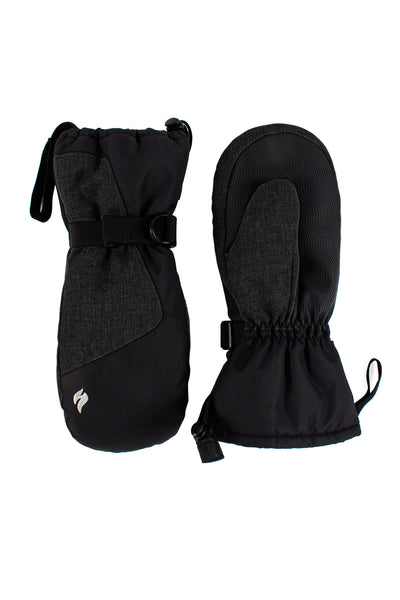
Alaska High Performance Mitts
Maximum hand warmth. Fingers share heat. High-performance insulation.
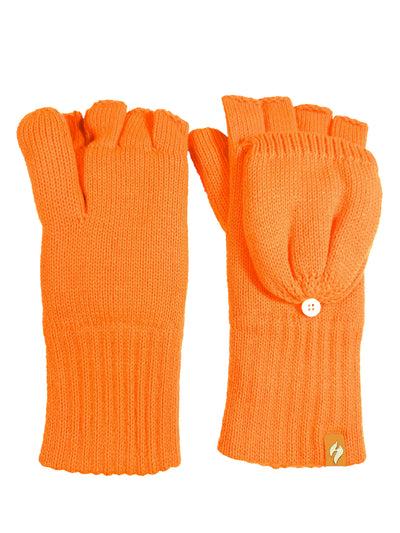
Ken Converter Gloves
Fingerless with fold-over mitten top. Best of both worlds.
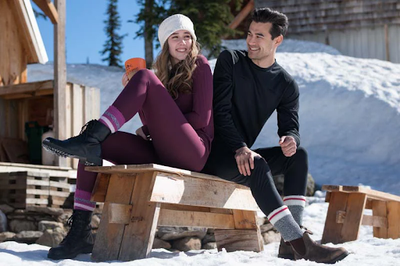
Base Layer Top
Core warmth under clothes. 3x warmer than cotton. Lightweight.

Base Layer Bottoms
Lower body insulation. 5x warmer than cotton. Mid-weight.
Tested and endorsed by Raynauds.org
Heat Holders® socks are tested and endorsed by Raynauds.org, the top resource for people suffering from Raynaud's Disease offering support, helpful advice, and products that really make a difference. They ran tests on Heat Holders® socks with their members and found that Heat Holders® offer amazing benefits to Raynaud's sufferers beyond the softness and warmth.
"Warmest socks I've ever worn."
Raynaud's Association member tester
"Like putting feet into a lovely warm sauna. Helping the whole body stay warm."
Raynaud's Association member tester
The Association was honest about the limitations too: they can't guarantee every person will have the same experience. But the majority of their testers recommended fellow sufferers give them a try.
What you need to know about Raynaud's and warmth
Select a topic below. Whether you are newly diagnosed or have lived with Raynaud's for years, every section is written for people who want honest, practical answers.
What Raynaud's is
Raynaud's is a condition where the small blood vessels in your extremities overreact to cold or stress. When it happens, those vessels clamp shut far more aggressively than they should, cutting blood flow to your fingers, toes, and sometimes your ears or nose.
The result is what most people with Raynaud's know as an "attack." Your skin turns white as blood flow drops. It may turn blue as oxygen runs out. When the vessels finally relax and blood returns, your skin flushes red, and that is often when the pain hits: throbbing, burning, pins and needles. An attack can last a few minutes or more than an hour.
White: blood flow drops
Blood vessels constrict suddenly, cutting supply to the extremities. Skin turns pale and cold.
Blue: oxygen depleted
With reduced blood flow, oxygen in the tissue is used up. Skin may turn blue or gray.
Red: blood returns
Vessels relax and blood rushes back. This is often the most painful phase: throbbing, burning, swelling.
Primary vs secondary Raynaud's
Most people have primary Raynaud's: it happens on its own, without an underlying disease. Estimates suggest it affects between 3 and 10 percent of the US population, according to the National Institutes of Health, is considerably more common in women, and often starts in the teens or twenties.
A smaller number of people have secondary Raynaud's, connected to autoimmune conditions like scleroderma, lupus, or rheumatoid arthritis. Secondary Raynaud's tends to be more severe and warrants closer clinical management.
Not sure if you have Raynaud's? Toes that turn white after wearing shoes, fingers that go numb in rooms other people find comfortable: if that sounds familiar, a conversation with your doctor is the first step. Diagnosis is straightforward.
What helps: warmth and triggers
There is no cure for Raynaud's. But there is a principle that every condition organization agrees on, from the Raynaud's Association to the Mayo Clinic to the Cleveland Clinic:
Keep your whole body warm. Not just your hands and feet. When your core temperature stays up, your body is less likely to restrict blood flow to your extremities. Fewer attacks, less severe attacks, faster recovery.
The whole-body warmth principle
Warming your hands and feet alone often is not enough. If your core is cold, your body diverts blood away from your extremities to protect your organs. That is exactly the response that triggers a Raynaud's attack.
Layering is more effective than one heavy garment. Multiple thin layers trap warm air between them. Loose layers work better than tight ones. Anything that squeezes or restricts can reduce the circulation you are trying to protect.
Thermal base layers under your clothes. A hat when it is cold, even indoors. Warm socks before you feel cold, not after. The goal is to keep yourself warm to the point of feeling slightly overdressed, so your circulation stays open rather than shutting down.
Common triggers
Cold and temperature changes
The obvious trigger, but sudden shifts matter too: stepping from heat into air conditioning, reaching into a freezer, holding an iced drink. Many people learn to keep a light layer handy year-round.
Stress and anxiety
The same fight-or-flight response that tightens blood vessels under threat can set off an episode in someone whose vessels already overreact.
Caffeine and smoking
Caffeine constricts blood vessels. Smoking constricts them further. Neither causes Raynaud's, but both can increase attack frequency and severity.
When warmth is not enough
For some people, particularly those with secondary Raynaud's, self-care and clothing alone do not provide enough relief. Medications that relax blood vessels exist and can make a meaningful difference. That is a conversation between you and your doctor. The warmth strategies here work alongside medical treatment, not instead of it.
Choosing socks for Raynaud's
The right sock depends on the situation. The warmest sock we make is too thick for most shoes. A sock that fits in a sneaker will not be warm enough for a January morning at home. Here is how to match the sock to the situation.
What makes a sock right for Raynaud's
Warmth, measured in TOG. Thermal Overall Grade: a lab-tested measure of how well fabric holds heat. Cotton scores about 0.3 TOG. Our ORIGINAL socks are 2.3 TOG, roughly 7 times warmer.
Fit that does not restrict. Every condition organization recommends non-restrictive clothing. Elastic that digs in, a cuff that leaves marks, a toe box that squeezes: any of these can reduce the circulation you are trying to protect.
Not cotton. Cotton absorbs moisture and holds it against your skin. A damp sock cools your foot instead of warming it. Look for thermal yarns, acrylic blends, wool, or synthetics that manage moisture.
At home: maximum warmth
ORIGINAL Socks
7x warmer than cotton. Long-loop thermal pile holds warm air close to your skin. The sock most Raynaud's customers start with.
Slipper Socks
Same thermal warmth as the ORIGINAL, with non-slip soles. Available in ankle and crew. If you are on hard floors - hardwood, tile, stone - these stop heat loss from underneath as well as insulating from above.
Honest trade-off: they are thick. Best suited to indoor use or extra-roomy footwear.
In shoes: the question everyone asks
LITE Socks
Same thermal yarn, thinner profile. Fits comfortably in most casual shoes and boots. 5x warmer than cotton. You trade some warmth for wearability.
ULTRA LITE Socks
Thinnest thermal. Designed for dress shoes and work footwear. 3x warmer than cotton. Meaningfully warmer than a regular sock, and it fits in shoes you actually wear.
Outdoors and extreme cold
Layer socks the way you layer clothing: a thinner thermal base, an ORIGINAL over the top. The gap between layers traps extra warm air. Pair with insulated, roomy boots. Disposable toe warmers between layers add targeted heat on the coldest days.
In bed
Night-time Raynaud's attacks are common. Wearing socks to bed reduces the chance of waking up with numb, painful toes. Choose something soft and non-restrictive. ORIGINAL socks work. ORIGINAL Sleep Socks (Feather Top, Feather Cuff, Rib Cuff) offer 2.3 TOG warmth in softer constructions designed specifically for sleeping. The Serena and Samara sleep socks are LITE weight (5x warmer than cotton) for a lighter feel. Thermal pajamas help too.
For kids
"My daughter suffers from raynauds and I have purchased $500 dollar heated socks that did not help. These socks are amazing the only thing that has helped her feet ever!!!"
Susan, Women's Camellia ORIGINAL Crew Socks, October 2018
For children, sizing matters. Size with room for growth so the fit stays non-restrictive.
Gloves, mittens, and the dexterity trade-off
Every condition guide recommends mittens over gloves when maximum warmth is the priority. Your fingers share heat inside a mitten. In gloves, each finger is isolated in its own pocket, losing heat independently.
By dexterity need
Full mittens: maximum warmth
Walking, commuting, spectating. Men's: Alaska High Performance Mitts. Women's: Jackie Mittens (HeatWeaver lined, 7 colors) or Sierra Performance Mittens. Kids': Majestic Explorer Mittens, Ice Palace Mittens, Snowday Performance Mittens.
Converter gloves: best of both
Fingerless with a fold-over mitten top. Men's: Ken Converter. Women's: Melinda Cable Knit or Vienna Fairisle Converter Mittens. Warmth when idle, finger access when you need it.
Lined gloves: full dexterity
Driving, errands, constant grip. Men's: Torridon (HeatWeaver lined). Women's: Carina Flat Knit or Judith Fairisle (HeatWeaver lined). Won't match mittens for warmth, but outperforms unlined gloves by a wide margin.
Fingerless gloves: indoor use
Cold office, typing, desk work. Men's: Fingerless Gloves. Women's: Ayla Cable Knit Fingerless (4 colors). Keeping wrists warm helps maintain blood flow to fingertips, even with fingers exposed.
Most people with Raynaud's build a small rotation: mittens for the coldest days, converters for moderate cold, lined gloves for the in-between.
The compression question
You may have read that compression socks help with Raynaud's. If you have searched for socks for the condition, you have almost certainly seen it: confident recommendations from companies that sell compression products, suggesting graduated compression improves blood flow and reduces attacks.
Here is the honest answer.
Compression garments are designed to support venous return: blood in your veins traveling back up toward your heart. They are well established for chronic venous insufficiency, varicose veins, and DVT. The evidence for that use is solid.
Raynaud's is a different mechanism. It is an arterial problem: the small arteries in your extremities spasming shut in response to cold or stress. That is not a venous return issue.
What the condition organizations actually recommend: warm, loose, non-restrictive clothing. The Raynaud's Association says it. The Mayo Clinic says it. The Cleveland Clinic says it. None of them recommend compression as a Raynaud's management strategy.
Does that mean compression socks cannot work for anyone with Raynaud's? No. Some individuals report personal benefit, and that is worth discussing with your doctor. A clinician can assess whether compression makes sense for your specific situation, especially if you have other circulatory conditions alongside Raynaud's.
But the generalized advice you will find elsewhere, that compression socks are a proven solution for Raynaud's, is not supported by the body of clinical guidance.
We should note: we do not sell compression products. We have no commercial interest in this question going one way or the other. What we can speak to is warmth: serious, measurable warmth with a fit that does not squeeze or restrict. That is what the evidence supports.
Thermal socks vs heated socks
This is a fair question, and we would rather answer it honestly than pretend the alternative does not exist.
Thermal socks (passive insulation)
Trap your body's own heat using insulating materials. No batteries, no charging, no wires. You put them on and they work all day. The limitation: during a severe attack, when blood flow drops and heat production drops, insulation has less to work with.
Heated socks (active warming)
Generate warmth via battery-powered heating elements. Can add heat your body is not producing. Trade-offs: bulkier, require charging (3 to 8 hours), more expensive, bulk limits shoe options.
For most people with Raynaud's managing daily life, at home, at work, running errands, high-quality thermal insulation is the practical everyday answer. It works without thinking about it.
For severe Raynaud's in extreme cold, or for extended outdoor exposure where passive insulation reaches its limit, heated socks have a genuine role.
Some people use both: heated socks for outdoor activity in winter, thermal socks for everything else. That is a reasonable approach.
Footwear: shoes and boots for Raynaud's
The right sock matters, but the shoe or boot around it matters too. Tight footwear compresses the sock, restricts circulation, and undoes the warmth you are trying to build. This is one of the most searched topics among people with Raynaud's, and the answer starts with three principles.
Roomy enough for thermal socks
Size up by half a size when buying new shoes or boots. The Raynaud's Association recommends the same: boots a little larger than your normal size, so you have room for thermal socks without compression. If your shoes leave marks or squeeze after a day's wear with thermal socks, they are too tight.
Insulated and waterproof
For winter boots, look for insulated linings and waterproof shells. Wet cold is worse than dry cold. Avoid fashion boots with thin soles and tight shafts: they look warm but often are not.
Avoid tight ankle openings
Tight boot shafts act like a tourniquet on compromised circulation. Look for boots with a generous opening that does not compress the sock at the calf.
Matching socks to footwear
ORIGINAL socks (2.3 TOG) pair best with insulated boots or roomy casual footwear. LITE socks fit casual shoes and standard boots. ULTRA LITE socks fit dress shoes and work footwear. The trade-off is always warmth vs profile: thinner fits more shoes, thicker keeps feet warmer.
Indoor footwear
Slipper socks with non-slip soles are the indoor answer. Hardwood and tile floors conduct heat away from your feet rapidly. Non-slip grips add safety, especially for anyone less steady on their feet.
When to talk to your doctor
Warmth is self-care. Diagnosis and medication are medical conversations. This page can help with the first; your doctor handles the second.
If you think you might have Raynaud's
A diagnosis is straightforward. Your doctor will want to know:
When symptoms started
Raynaud's often begins in the teens or twenties for primary, later for secondary. The timeline helps your doctor assess which type.
Which extremities are affected
Fingers, toes, nose, ears. Whether one side or both. Whether it has changed over time.
How often attacks happen
Daily, weekly, seasonal. And what seems to trigger them: cold, stress, specific situations.
Family history
Many people with primary Raynaud's have a family history of the condition.
If you are already diagnosed
For people whose symptoms are not managed well enough by warmth alone, medications that relax blood vessels can help. If your Raynaud's is connected to an autoimmune condition, your rheumatologist may adjust treatment. The strategies on this page work alongside medication, not instead of it.
We are a warmth brand, not a clinic. We can help with the warmth part. For diagnosis, treatment, and medication, your doctor is the right conversation.
Raynaud's and warmth FAQ
Where to go next
Shop ORIGINAL Socks
The sock most Raynaud's customers start with. 7x warmer than cotton.
→What Raynaud's sufferers say
Real reviews from people managing Raynaud's, and why the RA endorses these products.
↑Raynaud's Association
Condition support, community, and advocacy.
→Common questions
Twelve answers from TOG ratings to heated socks. Practical, honest, and sourced.
→


