

Introduction to Winter Hiking
Winter hiking presents a unique set of challenges and rewards. The crisp air, serene landscapes, and the thrill of adventure make it an enticing activity for outdoor enthusiasts. However, the cold weather can pose risks if not approached with the right gear. Proper clothing is essential to ensure comfort, warmth, and safety while navigating snowy trails. The beauty of winter hiking lies not only in the stunning vistas but also in the tranquility that envelops the landscape, often resulting in a peaceful solitude that is hard to find during other seasons.
This guide will explore the ultimate winter hiking clothes for men, focusing on layering techniques, material choices, and specific items that can enhance the hiking experience. The layering system is particularly crucial, as it allows hikers to adapt to changing temperatures and exertion levels. The base layer wicks moisture away from the skin, the mid-layer provides insulation, and the outer layer protects against wind and precipitation. Whether you're a seasoned hiker or a novice, understanding how to dress appropriately for winter conditions will help you enjoy the great outdoors. Additionally, being aware of the potential for sudden weather changes is vital; winter storms can roll in quickly, so having the right gear can make all the difference in ensuring a safe and enjoyable hike.
Layering Essentials for Winter Hiking
Layering is the cornerstone of winter hiking attire. The right combination of layers allows for flexibility, warmth, and moisture management. A typical winter hiking outfit consists of three main layers: base, mid, and outer layers.
Base Layer
The base layer is the foundation of any winter hiking outfit. It is designed to wick moisture away from the skin, keeping the hiker dry and comfortable. Look for materials that provide excellent moisture management, such as synthetic blends. These fabrics help regulate body temperature and prevent chilling from sweat.
Consider thermal long underwear as part of your base layer. These are essential for maintaining warmth in the colder months. Look for styles that fit snugly without being restrictive, allowing for ease of movement. The right base layer can make a significant difference in your overall comfort, especially during strenuous activities when sweat is inevitable. Remember, a good base layer should feel soft against the skin and provide a snug fit to maximize moisture-wicking capabilities.
Mid Layer
The mid layer serves as insulation, trapping heat while allowing moisture to escape. Fleece jackets, insulated vests, or lightweight down jackets are popular choices for this layer. The goal is to maintain warmth without adding excessive bulk, which can hinder movement.
When selecting a mid-layer, consider the weather conditions. For particularly cold days, opt for thicker insulation, while milder days may only require a lightweight fleece. This versatility allows hikers to adjust their clothing based on changing temperatures throughout the day.
Moreover, layering with a zip-up fleece can provide additional versatility, as you can easily regulate your temperature by zipping up for warmth or unzipping for ventilation. Look for mid layers with pockets as well, which can be handy for storing small essentials like snacks or a map. The right mid-layer not only keeps you warm but also contributes to your overall mobility and comfort while navigating rugged terrains.
Outer Layer
The outer layer is your first line of defense against wind, rain, and snow. Look for jackets and pants made from waterproof and breathable materials. Features like adjustable hoods, cuffs, and ventilation zippers can enhance comfort and functionality.
Additionally, ensure that your outer layer is compatible with your mid and base layers. A well-fitted outer shell will keep you dry and protect you from the elements without restricting movement.
When choosing an outer layer, consider additional features that can enhance your hiking experience. For instance, some jackets come with built-in gaiters to keep snow from entering your pants, while others may have reflective elements for visibility during low-light conditions. The right outer layer shields you from the weather and provides peace of mind, allowing you to focus on the beauty of the winter landscape around you. Investing in a high-quality outer layer can make all the difference in your comfort and safety during winter hikes, ensuring that you can fully enjoy the adventure ahead.
Footwear: The Foundation of Comfort
Choosing the right footwear is crucial for winter hiking. Cold, wet feet can quickly ruin an otherwise enjoyable outing. Insulated, waterproof hiking boots are essential for maintaining warmth and dryness. The right pair not only protects against the elements but also provides the necessary support for navigating uneven terrain, which is common in winter landscapes.
The Warmest Thermal Sock
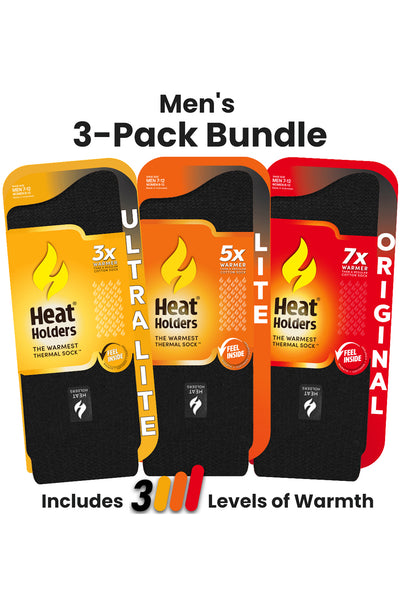
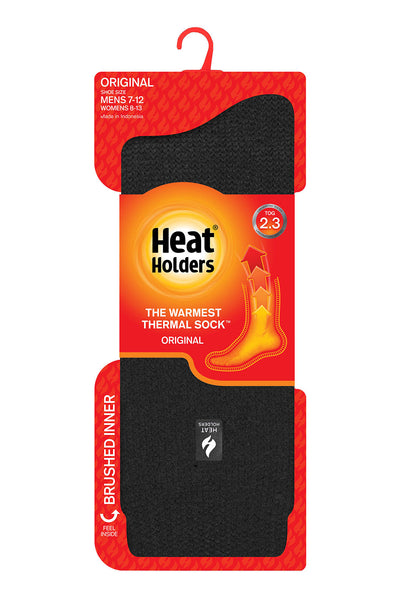
Heat Holders® offers a range of thermal socks that can serve as an excellent base layer for your feet. Their ORIGINAL™ collection, known for its thick and chunky design, is 7X warmer than the average cotton sock providing exceptional warmth and comfort, ensuring that your feet remain cozy during long hikes.
Boot Selection
When selecting winter hiking boots, look for features such as insulation ratings, waterproof membranes, and good traction. Insulated boots help keep feet warm in frigid temperatures, while waterproof materials prevent moisture from seeping in. Additionally, consider the boot's weight and flexibility; a lighter boot can reduce fatigue over long distances, while a stiffer sole can offer better stability on rocky paths. It's also wise to try on boots with the socks you plan to wear, as this will give you a better fit and help prevent blisters.
Pairing these boots with Heat Holders® thermal socks can significantly enhance comfort. The LITE™ collection, with its medium thickness, offers a balance of warmth and breathability, making it an excellent choice for active pursuits. These socks are designed to wick moisture away from the skin, keeping your feet dry and cozy. For those particularly cold days, consider layering with a thicker sock or adding toe warmers for an extra boost of heat.
Gaiters for Extra Protection
Gaiters are an often-overlooked accessory that can provide additional protection against snow and moisture. They are worn over the top of boots and pants, creating a barrier that prevents snow from entering. This is particularly useful in deep snow or wet conditions. Gaiters come in various lengths and materials, so selecting the right type for your hiking needs is essential; a higher gaiter can offer more coverage, while a shorter one may be more comfortable for less extreme conditions.
Investing in a good pair of gaiters can enhance the overall hiking experience, allowing for longer treks without the discomfort of wet feet or pants. Furthermore, many gaiters are designed with adjustable straps and secure closures, ensuring a snug fit that won’t shift during movement. This added security not only keeps snow out but also protects against thorny underbrush and rocky debris, making your winter adventure safer and more enjoyable.
Accessories to Enhance Your Winter Hiking Experience
In addition to the main clothing layers, several accessories can enhance comfort and protection during winter hikes. These items may seem small, but they play a significant role in overall performance and enjoyment.
Hats and Gloves
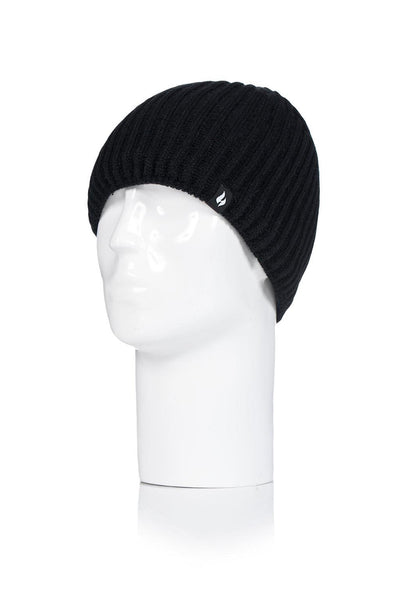
Keeping extremities warm is vital during winter hikes. A good-quality hat that covers the ears and a pair of insulated gloves can make a substantial difference. Look for materials that provide warmth while allowing for dexterity, especially if you need to handle gear or food.
Consider gloves with removable liners or those that are touchscreen-compatible for added convenience. Hats with moisture-wicking properties can also help regulate temperature and keep sweat at bay. Additionally, some hats come equipped with built-in ear flaps or adjustable straps to ensure a snug fit, which can be particularly beneficial in windy conditions. When selecting gloves, prioritize options with reinforced fingertips for added durability, especially if you plan to engage in activities like setting up camp or using trekking poles.
Scarves and Neck Gaiters
Scarves and neck gaiters or neck warmers provide additional warmth and protection for the neck and face. These accessories help shield against cold winds and can be adjusted based on comfort levels. Opt for materials that are soft against the skin and provide good insulation without being too bulky.
Neck gaiters are especially popular among hikers, as they can easily be pulled up over the face when needed and tucked away when not in use. Many gaiters are designed with versatile fabrics that can also wick moisture away from the skin, keeping you dry during strenuous climbs. Scarves, on the other hand, can be styled in various ways, allowing for personal expression while remaining functional. Some hikers prefer infinity scarves for their ease of wear, while others opt for traditional long scarves that can be wrapped multiple times for extra warmth. Regardless of your choice, both accessories can significantly enhance your comfort level on the trail.
Choosing the Right Materials
Understanding the materials used in winter hiking clothing is essential for making informed choices. Different fabrics offer varying levels of insulation, moisture management, and durability.
Synthetic vs. Natural Fibers
Synthetic fabrics, such as polyester and nylon, are often favored for their moisture-wicking properties and quick-drying capabilities. They are lightweight and durable, making them ideal for active pursuits like hiking.
Natural fibers, such as wool, provide excellent insulation and moisture management but may take longer to dry. Merino wool, in particular, is known for its softness and odor resistance, making it a popular choice for base layers.
Understanding TOG Ratings
When selecting thermal clothing, understanding TOG ratings can help gauge warmth levels. Heat Holders® products, for example, feature TOG ratings that indicate their insulation effectiveness. The ORIGINAL™ sock collection boasts a TOG rating of 2.34, making it approximately seven times warmer than cotton socks.
By comparing TOG ratings, hikers can make informed decisions about which products will best suit their needs based on the expected weather conditions.
Planning for Safety and Comfort
Safety should always be a priority when winter hiking. Dressing appropriately is just one aspect of ensuring a safe and enjoyable experience. Consider the following tips to enhance safety and comfort during winter hikes.
Check Weather Conditions
Before heading out, always check the weather forecast. Conditions can change rapidly in winter, and being prepared for unexpected weather can make a significant difference. Dress in layers that can be easily added or removed based on changing conditions.
Additionally, be aware of wind chill factors, as they can significantly impact perceived temperatures. Adjust clothing choices accordingly to maintain warmth and comfort.
Stay Hydrated and Nourished
Staying hydrated is crucial during winter hikes, even if you don’t feel thirsty. Cold weather can mask feelings of dehydration, leading to fatigue and decreased performance. Carry water in insulated bottles to prevent freezing.
Pack high-energy snacks to maintain energy levels throughout the hike. Foods that are easy to consume on the go, such as trail mix or energy bars, can provide the necessary fuel to keep moving.

Embrace the Winter Adventure
Winter hiking offers a unique opportunity to explore the beauty of nature in a serene, snow-covered landscape. By choosing the right clothing and accessories, hikers can enjoy their adventures while staying warm, comfortable, and safe.
From layering techniques to selecting high-quality thermal socks from Heat Holders®, every detail contributes to a successful outing. Embrace the winter season and take on new challenges, knowing that with the right gear, the great outdoors awaits.