

Winter hiking can be a thrilling adventure, but it also requires careful planning to ensure warmth and comfort on the trails. The right clothing can make all the difference between an enjoyable experience and a cold, uncomfortable trek. This guide will help you build the best winter hiking outfit, focusing on layering, essential gear, and the importance of choosing the right materials.
Understanding the Basics of Layering
Layering is key to staying warm and comfortable during winter hikes. The concept revolves around wearing multiple layers of clothing that can be added or removed based on changing temperatures and activity levels. The three primary layers are the base layer, mid-layer, and outer layer.
Base Layer: The Foundation of Warmth
The base layer is the first line of defense against the cold. It should fit snugly against the skin to wick moisture away from the body, keeping you dry and warm. Look for materials that offer excellent moisture management, such as specialized synthetic fabrics or merino wool blends.
These materials help regulate body temperature and prevent overheating during strenuous activities. Additionally, the base layer can come in various thicknesses, allowing you to choose one that suits the specific climate conditions of your hike. For extremely cold weather, a thicker base layer can provide extra insulation, while a lighter option is ideal for milder temperatures.
Mid-Layer: Insulation for Cold Conditions
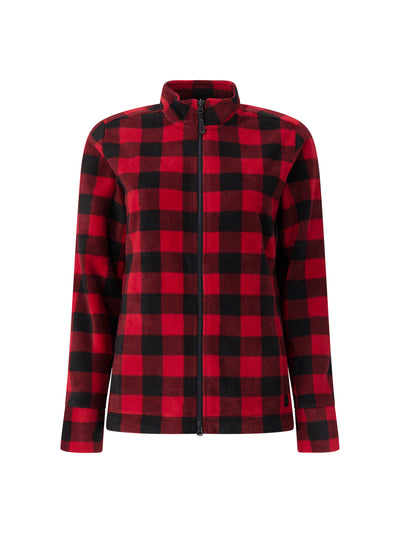
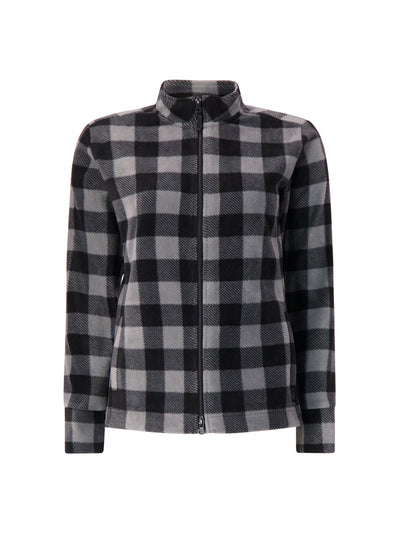
The mid-layer serves as insulation, trapping warmth while still allowing moisture to escape. Fleece jackets or insulated vests are popular choices for this layer. They provide warmth without adding excessive bulk, making it easier to move while hiking.
When selecting a mid-layer, consider options that offer breathability and flexibility to accommodate a range of activities. Some mid-layers even come with added features like thumbholes or zippered pockets, which can enhance comfort and functionality on the trail. Layering your mid-layer with different materials can create a versatile outfit that adapts to varying weather conditions, ensuring you remain comfortable throughout your hike.
Outer Layer: Protection from the Elements
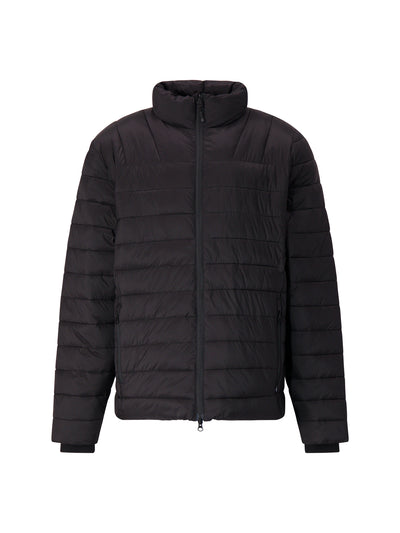
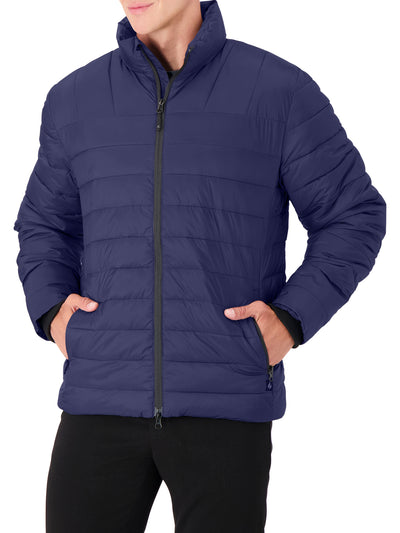
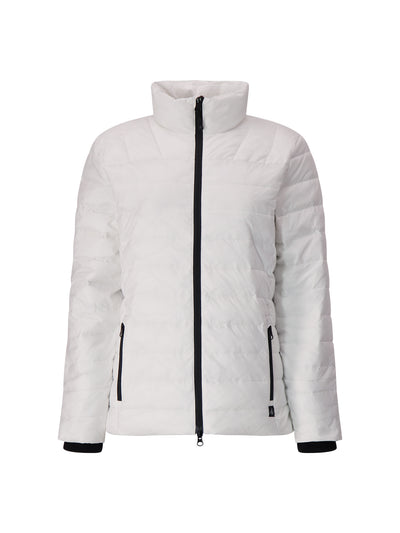
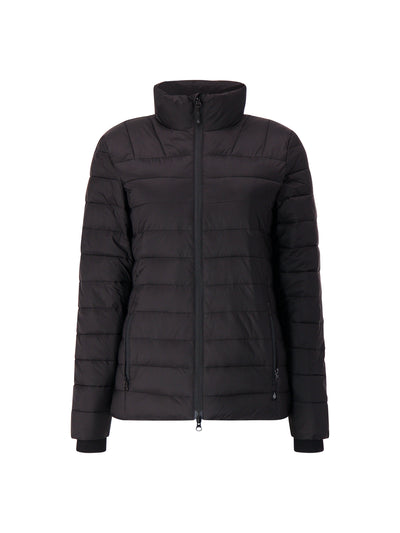
The outer layer is your shield against wind, rain, and snow. Look for waterproof and windproof jackets that are also breathable to prevent moisture buildup inside. Features such as adjustable cuffs and hems can help seal out cold air. A good outer layer will keep you dry and warm, allowing you to focus on enjoying the hike. It's also worth considering the weight and packability of your outer layer, especially if you're planning a long trek.
Lightweight options can be easily stowed in your backpack when not in use, ensuring you’re prepared for sudden weather changes without being weighed down. Moreover, many modern outer layers come equipped with reflective elements for added safety during low-light conditions, making them a smart choice for early morning or late evening hikes.
Choosing the Right Footwear
Your feet are one of the most important aspects of your winter hiking outfit. Keeping them warm and dry is essential for a successful outing. When selecting footwear, consider both insulation and waterproofing.
Insulated Hiking Boots
Insulated hiking boots are designed to provide warmth in cold conditions. Look for boots that feature a thermal lining and a waterproof exterior to keep your feet dry. A good fit is crucial; ensure there is enough room for thick socks without compromising comfort. This is where Heat Holders® thermal socks come into play, offering superior insulation and softness for those frigid days on the trail.
In addition to insulation, consider the traction and support provided by your hiking boots. Winter trails can be slippery and uneven, so boots with a rugged outsole will help you maintain stability. Features like ankle support are also important, as they can prevent injuries while navigating through snow or ice. Brands that specialize in outdoor footwear often incorporate advanced technologies such as Vibram soles or Gore-Tex linings, enhancing both grip and waterproofing. Investing in a quality pair of insulated boots can make all the difference in your comfort level and safety during winter hikes.
Thermal Socks: The Unsung Heroes
Heat Holders® thermal socks are engineered to provide exceptional warmth, significantly outperforming standard cotton socks. The ORIGINAL™ collection, for instance, boasts a TOG rating of 2.34, making it approximately seven times warmer than cotton. This level of insulation is vital for maintaining warmth in cold weather, especially during long hikes.
Moreover, the design of Heat Holders® socks ensures that moisture is effectively wicked away from your skin, reducing the risk of blisters and keeping your feet dry throughout your adventure. The plush loop pile cushioning adds an extra layer of comfort, making them ideal for long treks where foot fatigue can set in. Available in various lengths and styles, these socks cater to different preferences, whether you prefer crew-length or knee-high options. Pairing these thermal socks with well-fitted insulated boots not only enhances your overall hiking experience but also allows you to focus on the stunning winter landscapes that surround you, rather than on discomfort or cold feet.
Essential Accessories for Winter Hiking
Accessories can enhance comfort and protection during winter hikes. From head to toe, the right gear can make a significant difference in your overall experience.
Headwear and Gloves
Warm thermal accessories can make a big difference. A warm hat is essential for retaining body heat, as a significant amount of heat can be lost through the head. Look for hats made from thermal materials that cover the ears. Additionally, insulated gloves or mittens will keep your hands warm and functional. Consider gloves with touchscreen capabilities for convenience while using devices.
Remember, layering is key—choose gloves that allow for dexterity, so you can easily manage zippers or grab your gear without exposing your hands to the cold.
Neck Warmers and Gaiters
Neck warmers or buffs provide extra insulation for the neck area, preventing cold air from entering your jacket. Gaiters can also be beneficial, keeping snow and debris out of your boots while providing additional warmth around the ankles. These accessories are often overlooked but can significantly enhance comfort on the trail. Gaiters come in various styles, including those that are waterproof, which can be particularly useful in slushy conditions.
Investing in a high-quality neck warmer that can be adjusted for breathability and coverage can also help manage moisture and prevent frostbite, especially during long hikes. The right combination of these accessories not only protects you from the elements but also allows for greater focus on the beauty of the winter landscape around you.
Understanding the Importance of Materials
The materials used in winter hiking clothing can greatly affect performance. Opt for fabrics that provide insulation, moisture-wicking properties, and durability. Avoid cotton, as it retains moisture and can lead to chilling when wet. Selecting the right materials not only enhances comfort but also significantly impacts your overall hiking experience, especially in extreme weather conditions. Understanding the properties of different fabrics can help you make informed choices that keep you warm, dry, and protected from the elements.
Advanced Thermal Yarn
Heat Holders® uses advanced thermal yarn in their socks, which offers cashmere-like softness while ensuring warmth. This custom acrylic blend is designed for warmth, making it a superior choice for cold weather. The long looped and intensely brushed cushion pile in their socks enhances insulation, keeping feet warm even in the coldest conditions. Additionally, the breathability of this material helps to regulate temperature, preventing overheating during strenuous activities. This combination of warmth and breathability is crucial for maintaining comfort on long hikes, where temperature fluctuations can be significant.
Blended Fibers for Enhanced Performance
Many winter apparel options incorporate blended fibers, combining materials like nylon, polyester, and elastane for durability and stretch. This ensures that clothing can withstand the rigors of hiking while providing a comfortable fit. When selecting winter gear, look for these blends to enhance overall performance. The inclusion of elastane, for instance, allows for greater freedom of movement, which is essential when navigating uneven terrain or climbing steep inclines. Moreover, the moisture-wicking properties of polyester help to draw sweat away from the skin, keeping you dry and reducing the risk of hypothermia. This thoughtful combination of materials not only promotes functionality but also contributes to the longevity of your gear, ensuring it can handle multiple seasons of adventure.
Planning for the Conditions
Before heading out on a winter hike, it’s essential to check the weather conditions and plan accordingly. Cold temperatures, snow, and wind can all impact your experience, so being prepared is crucial. Understanding the specific climate of the area you’re hiking in can make a significant difference in your comfort and safety. For instance, some regions may experience heavy snowfall while others might have milder conditions, so knowing what to expect can help you pack effectively.
Staying Informed
Check weather apps or websites to get real-time updates on conditions in the area you plan to hike. This will help you decide on the appropriate layers and gear to bring. Always be prepared for sudden changes in weather, especially in mountainous regions. Additionally, consider checking local trail reports or forums where fellow hikers share their experiences and insights about current trail conditions. This can provide valuable information about snow depth, ice patches, or even closures that may not be reflected in standard weather reports.

Adjusting Your Outfit
During the hike, pay attention to your body temperature and adjust your layers as needed. If you start to feel too warm, remove a layer to prevent sweating, which can lead to chilling once you stop moving. Conversely, if you feel cold, adding a layer can help retain heat. It’s also wise to invest in moisture-wicking base layers that help regulate your body temperature, as well as insulated outer layers that provide wind and water resistance. Accessories like hats, gloves, and neck gaiters are equally important; they can make a significant difference in your overall comfort by protecting extremities from the biting cold.
Consider the importance of proper footwear. Insulated and waterproof hiking boots are essential for maintaining warmth and traction on slippery surfaces. Pairing them with thick, moisture-wicking socks can help prevent blisters and keep your feet dry. Remember that the terrain can be unpredictable in winter, so having gaiters can protect your lower legs from snow and debris, allowing you to focus on the beauty of your surroundings rather than the discomfort of cold, wet feet.
Embrace the Winter Trails
Winter hiking offers a unique opportunity to explore nature in its most serene state. By carefully selecting your outfit and focusing on layering, insulation, and the right materials, you can enjoy the beauty of the outdoors without the discomfort of the cold.
Remember to invest in quality thermal socks like those from Heat Holders®, which provide unparalleled warmth and softness. With the right preparation and gear, winter trails can become a favorite destination for outdoor enthusiasts. Embrace the chill, and let the adventure begin!